Despite growing recognition of holistic education, many Indian children continue to struggle with social-emotional well-being, a critical driver of learning and resilience. National and global evidence shows that only a minority of students consistently feel confident and motivated in school, with girls reporting higher levels of anxiety and emotional distress. Research also highlights that strong social-emotional learning and gender-equitable practices significantly improve resilience, self-efficacy, and learning outcomes. This underscores the urgent need for context-driven SEL and GESI strategies that ensure every child feels safe, included, and empowered.
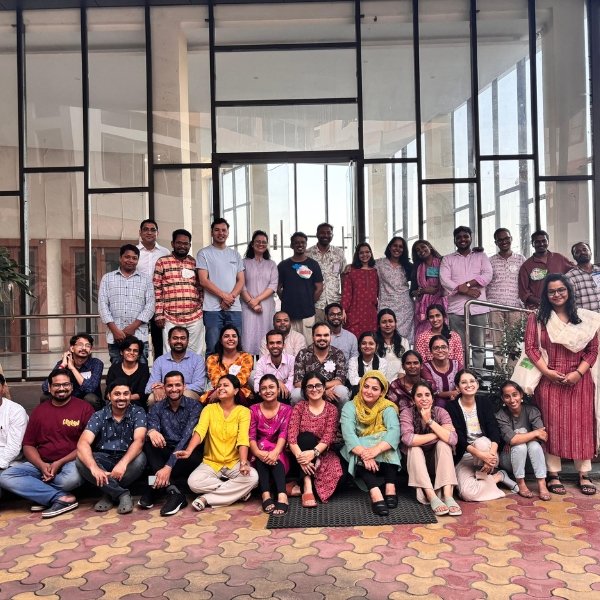
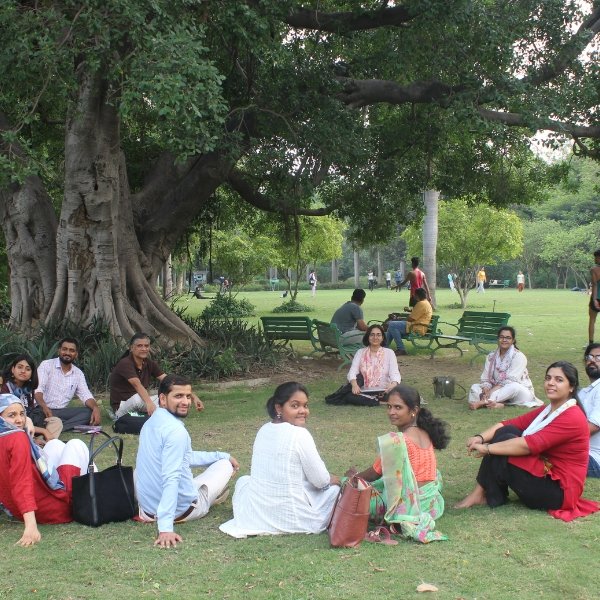
NEAID leads a nationwide collective across 13 geographies under the REACH initiative, grounded in a shared belief that children in every corner of India-no matter how remote, deserve to learn, grow, and feel safe with dignity. Working at the intersection of Social-Emotional Learning (SEL), Gender Equity, and Inclusion (GESI), REACH brings together organisations committed to creating child-centred, inclusive learning environments.
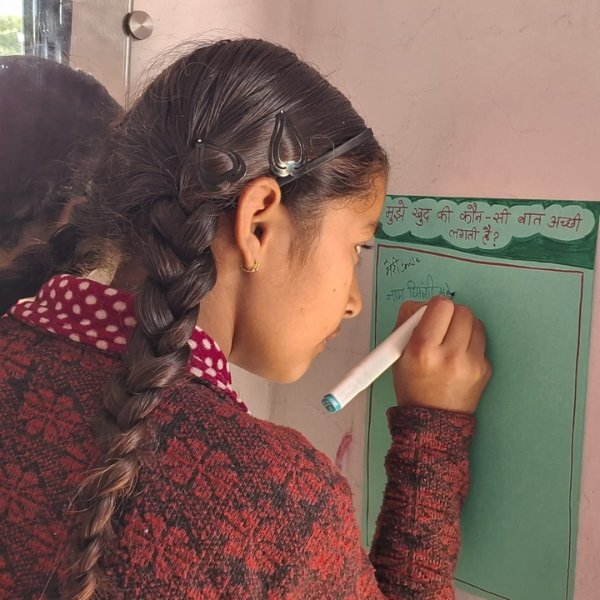
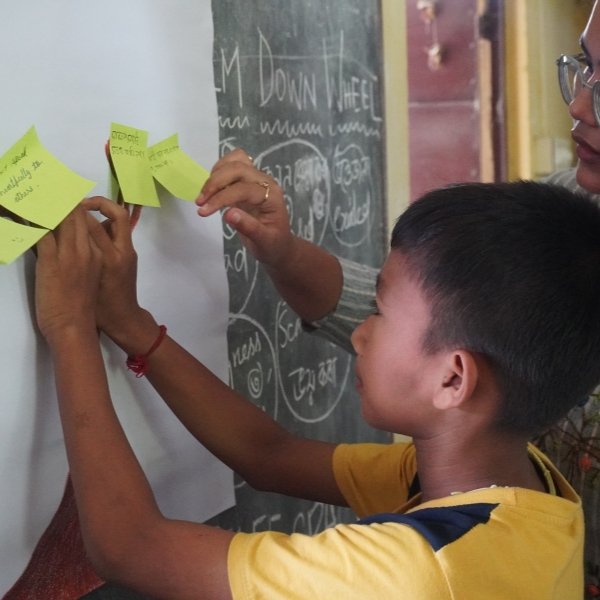
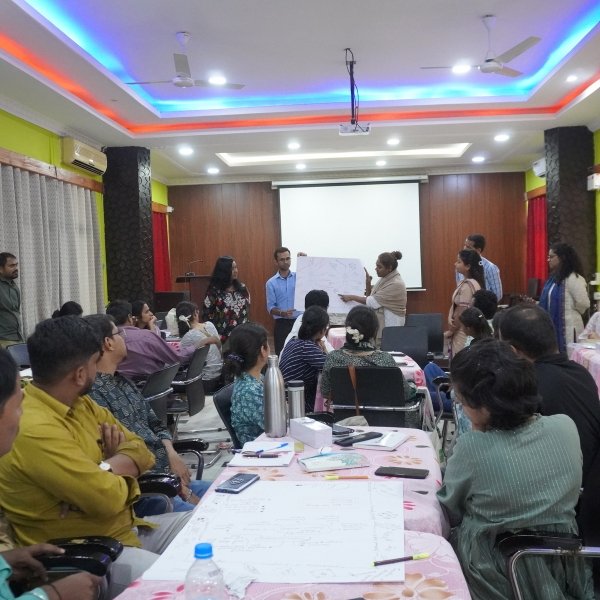
Over the past two years, this initiative has evolved as a deep action-research effort in some of the country’s most underserved regions. Rather than introducing predefined solutions, we began by listening—engaging closely with communities, educators, parents, and young people to understand how emotional well-being, safety, gender equity, and inclusion are experienced within their cultural and lived realities.
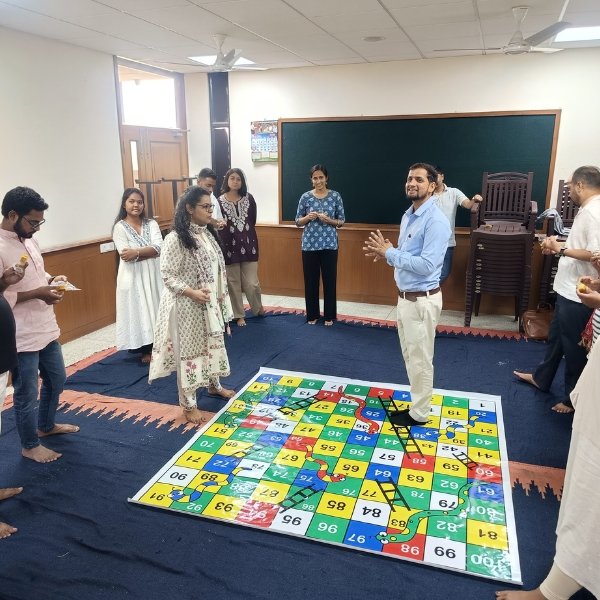
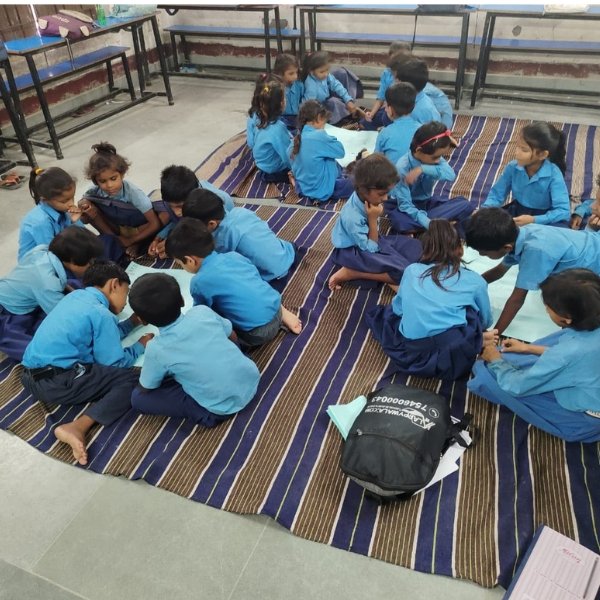
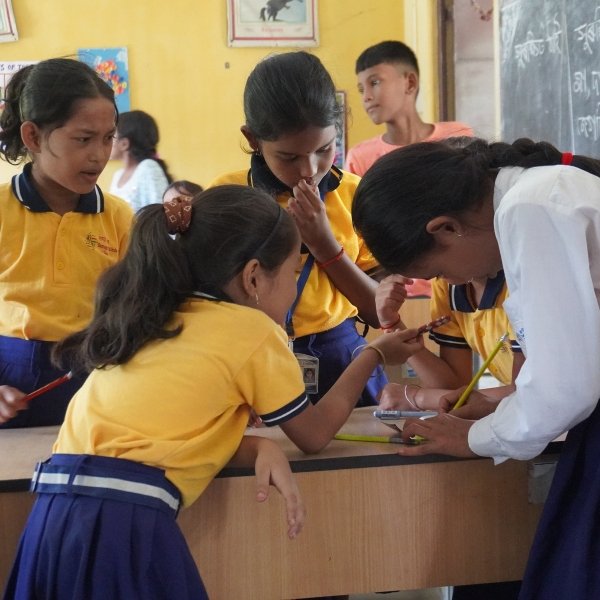
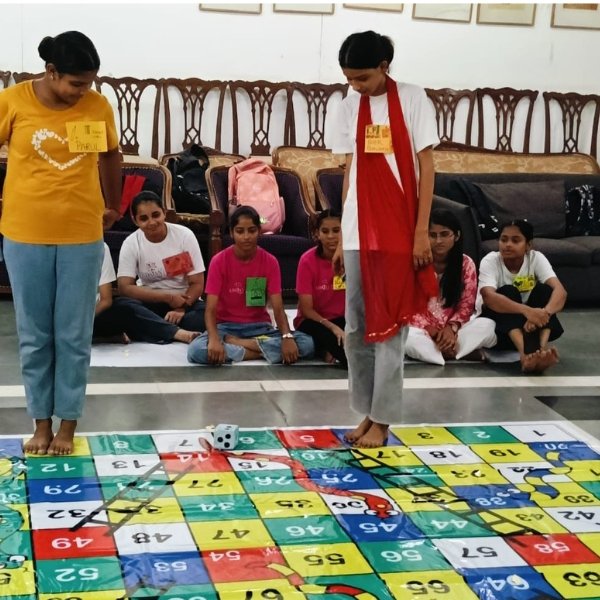
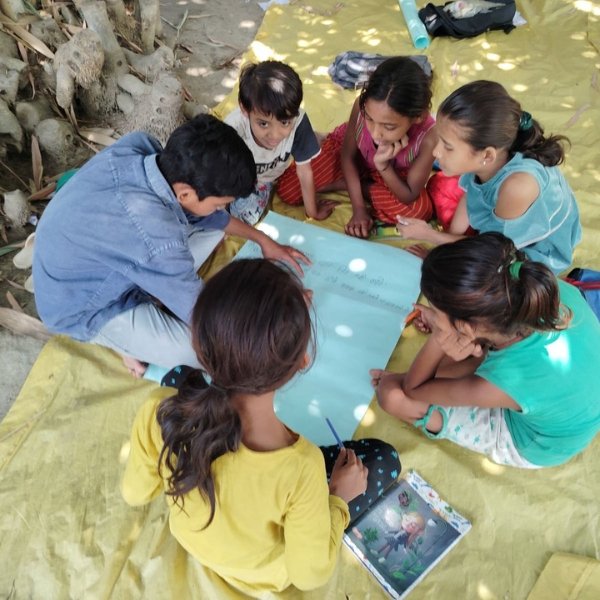
Today, the REACH Collective operates across schools, community spaces, and anganwadi centres, engaging a wide range of stakeholders and improving outcomes for children. Through this action research, we aim to co-create context-responsive GESI practices and solutions that partner organisations can meaningfully integrate into their work across diverse and remote geographies. What emerges from REACH is not just data, but insight, empathy, and a shared commitment to building learning environments where every child feels seen, supported, and empowered.