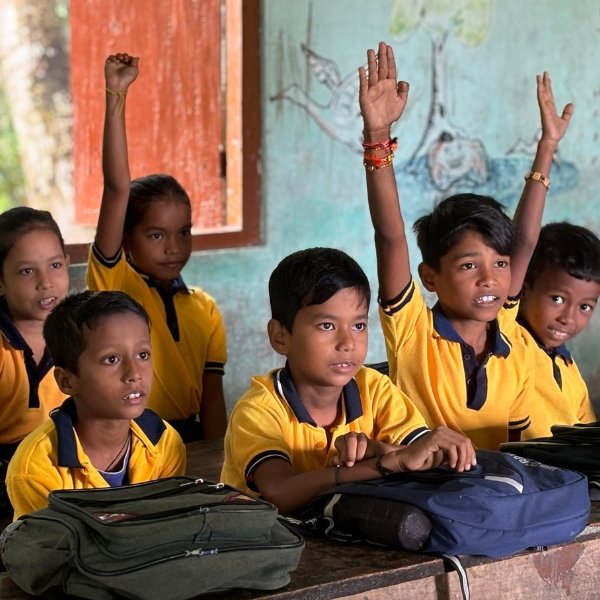
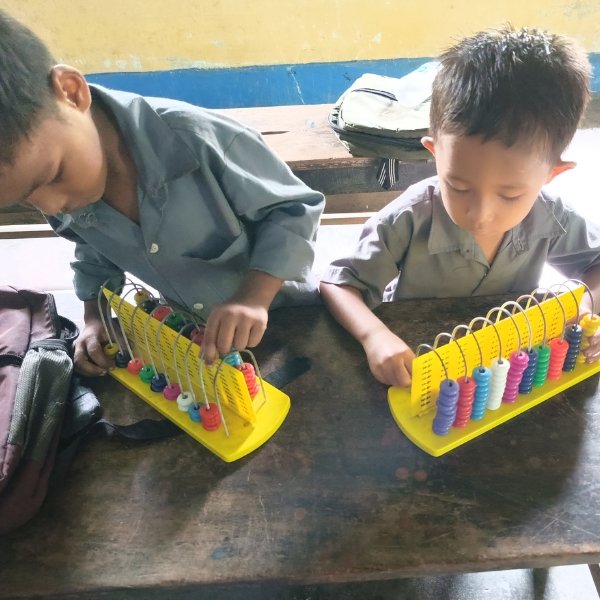
ASER 2024 shows that foundational learning remains a major challenge across India, including the North East and Assam. Despite improved enrolment, many children lack basic literacy and numerac – only about 27% of Class III students can read at grade level, 22% can do simple subtraction, and by Class V, just half can read a Class II text while fewer than 30% can solve basic division. These weak foundations limit not only academic progress but also children’s critical thinking, comprehension, and everyday problem-solving, undermining their holistic development.
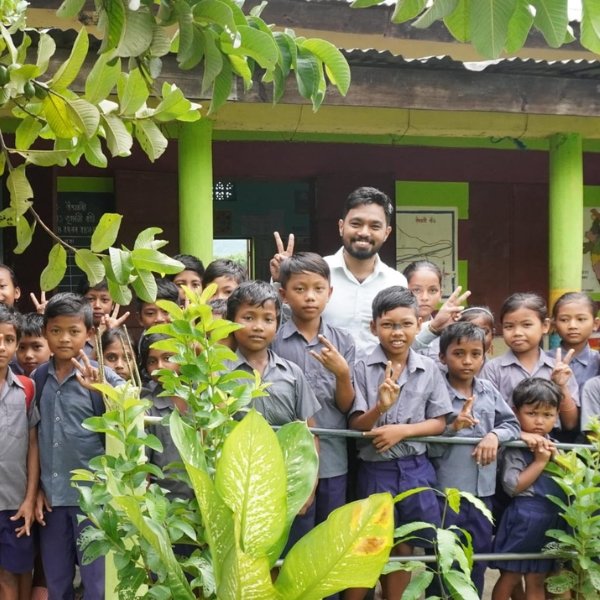
Our Whole School Transformation (WST) Program envisions a future where every child—even in the remotest parts of Northeast India—has access to quality education. Central to this vision is a strong focus on Foundational Literacy and Numeracy (FLN), recognised as the cornerstone of all future learning. Through a long-term, integrated approach, the program strengthens not just classrooms but the entire ecosystem surrounding a child by bringing together teachers, school leadership, communities, and education systems to create environments where every learner can thrive.
We work through two interconnected models: Depth and Scale.
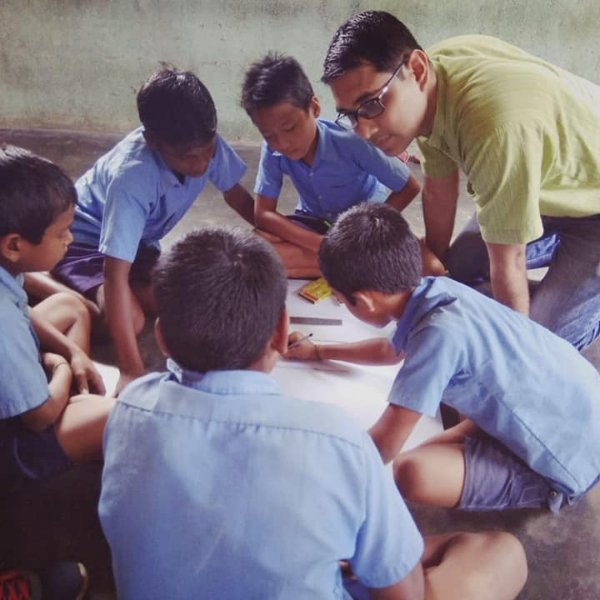
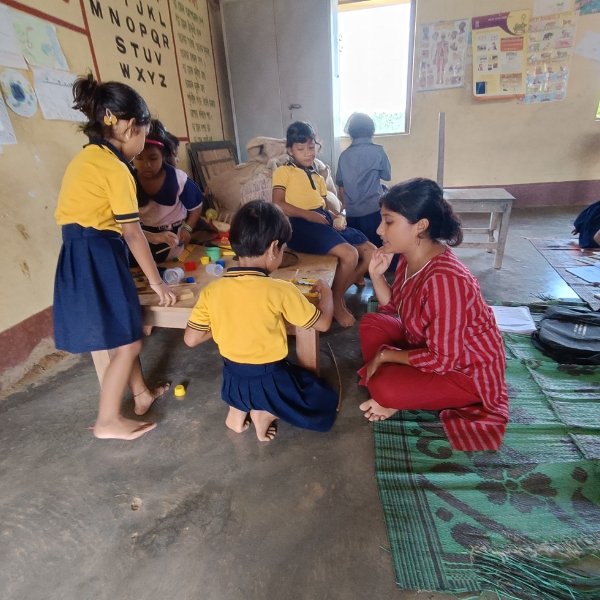
In a select group of schools, we partner closely with teachers, school leaders, and communities to demonstrate what sustained, holistic improvement can look like. Guided by baseline assessments, schools identify priority areas and co-create a shared vision for transformation. Our interventions focus on strengthening classroom practices, school leadership, cluster coordination, and school–community partnerships, while aligning closely with NIPUN Axom guidelines to achieve FLN goals.
To extend impact beyond individual schools, we collaborate with district and block officials to design need-based teacher trainings, build leadership capacity, and support the practical implementation of NEP 2020. By promoting simple, actionable improvements and amplifying effective practices emerging from the field, we foster a culture of peer learning, recognition, and shared ownership across the education system.
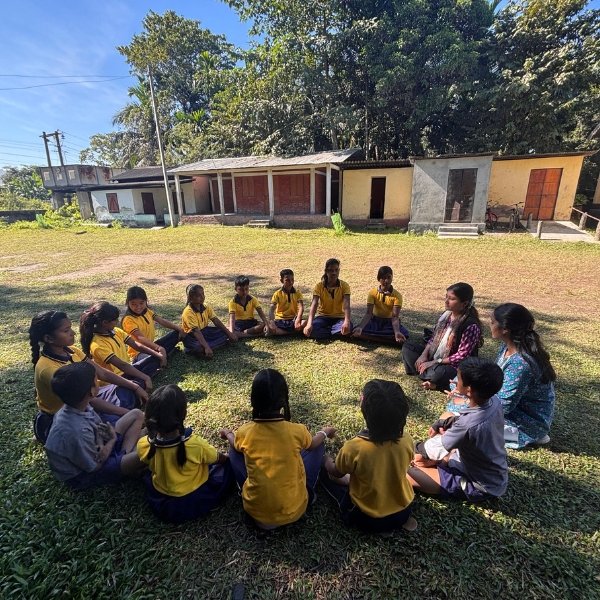
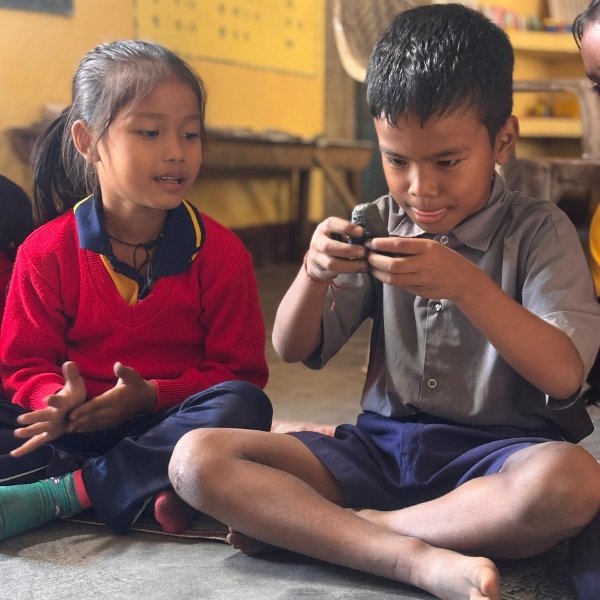
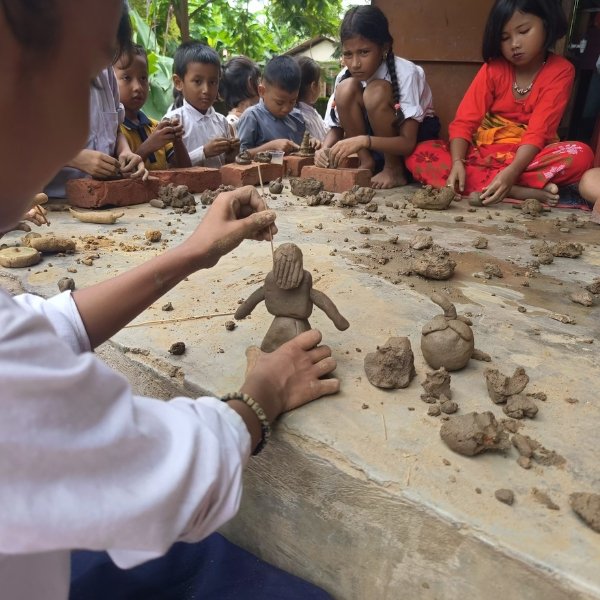
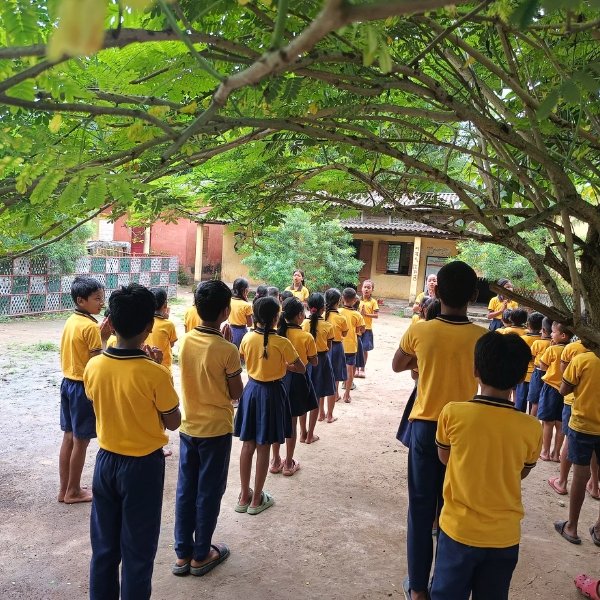
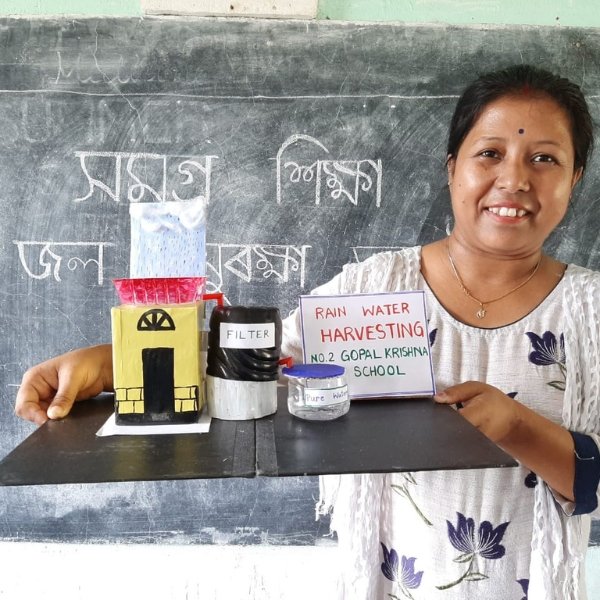
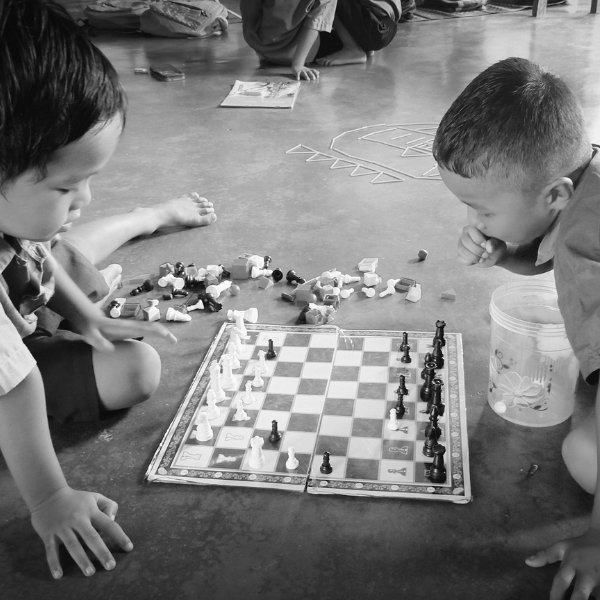
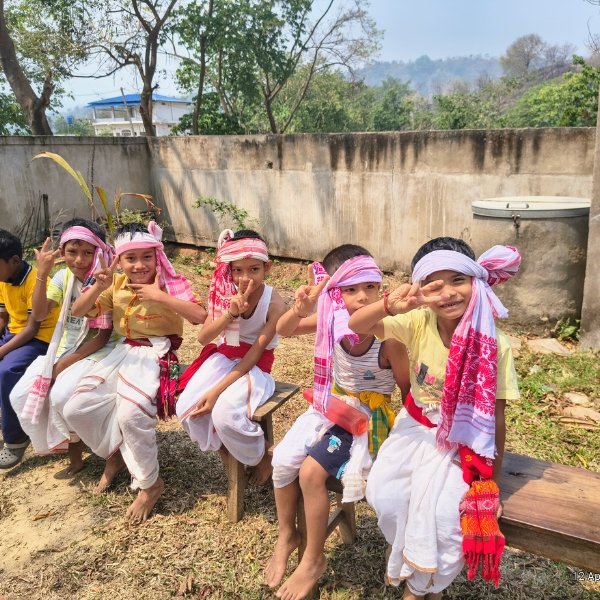
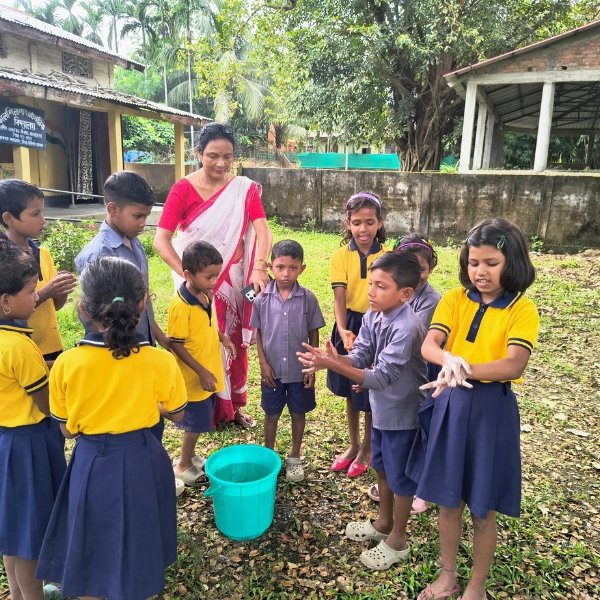
Across both models, our focus areas include school ecosystem development, students’ holistic growth, teachers’ professional development, and school–community collaboration. We support children’s co-scholastic development through theme-based morning assemblies, learning circles, student parliaments, alumni committees, and exposure sessions with local artisans. Mothers’ groups actively contribute through initiatives like school kitchen gardens, while School Management Committees (SMCs) and peer learning platforms strengthen collective accountability. Teachers benefit from cross-learning opportunities and regular feedback and reflection spaces.
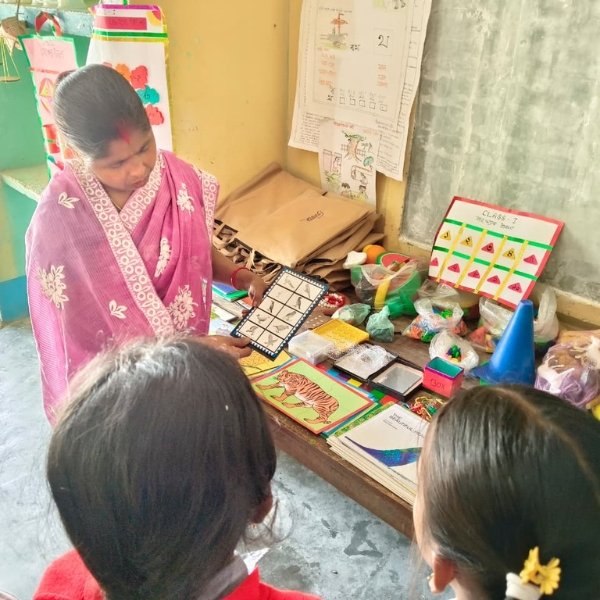
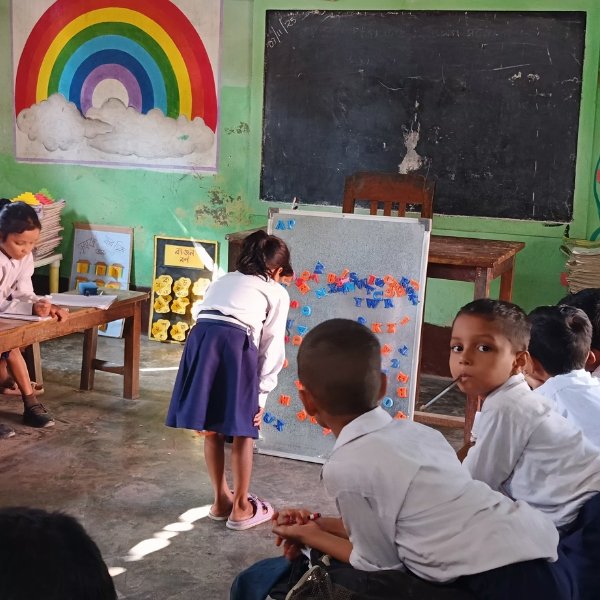
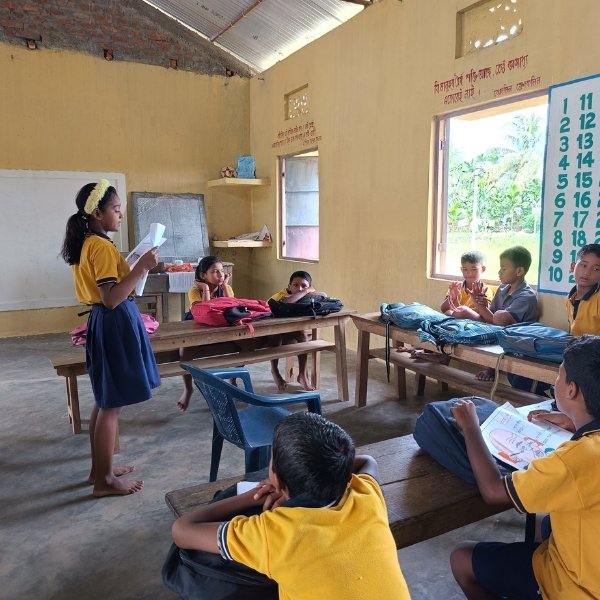
In parallel, we support infrastructure development to create safe, engaging, and child-friendly learning environments. This includes building and renovating classrooms, painting schools, installing green boards and notice boards, and providing essential furniture. We have also developed BALA (Building as Learning Aid) classrooms, where physical spaces are designed as teaching tools, supported by aligned curriculum integration and teacher capacity building.
Together, the Depth and Scale models reflect our core belief: lasting change happens when schools and systems grow stronger side by side, creating nurturing environments where every child has the opportunity to learn, grow, and succeed.